top of page

Top Strategies for RMP Career Growth: RMP career strategies Philippines

Building a successful career as a Registered Master Plumber (RMP) requires more than just technical skills. It demands strategic planning, continuous learning, and a proactive approach to professional development. In this post, we will explore effective strategies that can help RMPs in the Philippines advance their careers, improve their expertise, and contribute meaningfully to the plumbing industry.
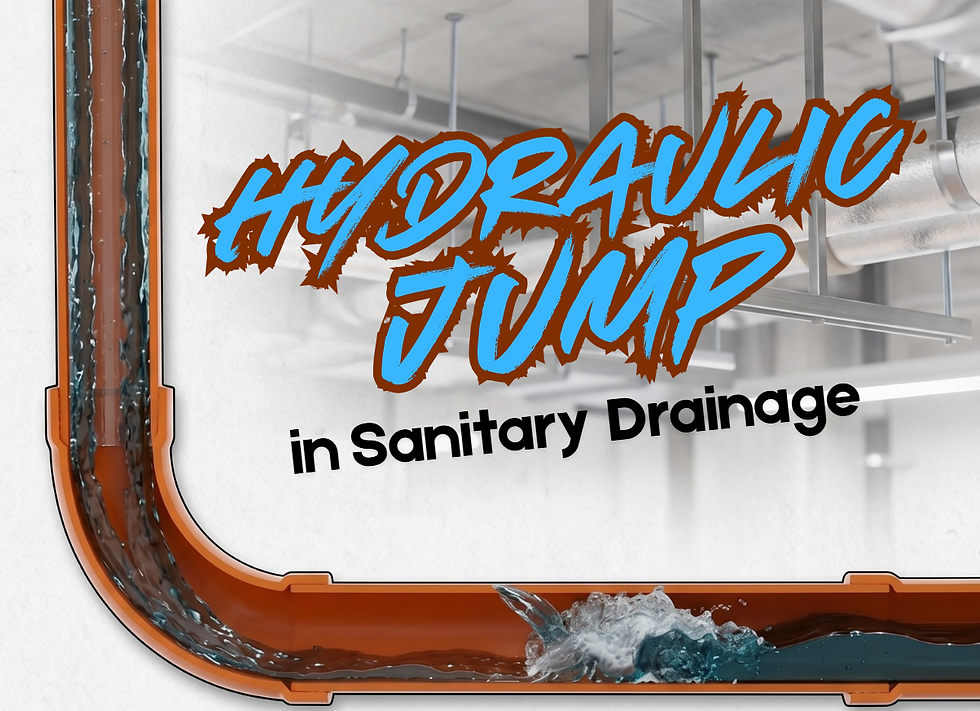

Understanding plumbing career strategies philippines


To grow in the plumbing profession, it is essential to understand the unique challenges and opportunities within the Philippine context. The plumbing industry here is evolving, with increasing demand for skilled professionals who can meet modern standards and regulations. By adopting targeted career strategies, RMPs can position themselves as leaders in their field.


Some key strategies include:


  • Continuous education and certification: Staying updated with the latest plumbing codes, technologies, and safety standards.

  • Networking and professional affiliations: Joining organizations like the NAMPAP Davao Chapter to connect with peers and access resources.

  • Specialization: Developing expertise in niche areas such as green plumbing or advanced water systems.

  • Soft skills development: Enhancing communication, project management, and customer service skills.

  • Leveraging technology: Using digital tools for project planning, client management, and marketing.


These strategies not only improve technical competence but also increase visibility and credibility in the industry.


Eye-level view of a plumbing workshop with tools and equipment neatly arranged
Organized plumbing workshop with essential tools

The importance of continuous learning and certification


One of the most effective ways to ensure career growth is through continuous learning. The plumbing industry is dynamic, with new materials, methods, and regulations emerging regularly. By pursuing additional certifications and training programs, RMPs can stay ahead of the curve.


For example, obtaining certifications in sustainable plumbing practices or advanced pipefitting can open doors to specialized projects. Attending workshops and seminars organized by professional bodies provides opportunities to learn from experts and share experiences with fellow plumbers.


Moreover, certifications serve as proof of competence and commitment to quality, which clients and employers highly value. They can lead to better job offers, higher pay, and increased trust from customers.


What is the main purpose of the RMP?


The primary purpose of a Registered Master Plumber is to ensure the safe, efficient, and compliant installation and maintenance of plumbing systems. This role involves:


  • Designing plumbing layouts that meet building codes and safety standards.

  • Supervising plumbing projects to guarantee quality workmanship.

  • Inspecting and testing plumbing systems to prevent leaks, contamination, and hazards.

  • Advising clients on maintenance and upgrades to improve system performance.

  • Upholding ethical practices and environmental responsibility in all plumbing activities.


By fulfilling these responsibilities, RMPs protect public health and contribute to sustainable infrastructure development. Their expertise is crucial in both residential and commercial construction, as well as in public utilities.


Close-up view of a plumbing blueprint with a measuring tape and pencil
Detailed plumbing blueprint with measurement tools

Building a strong professional network


Networking is a powerful tool for career advancement. Engaging with other professionals in the plumbing industry can lead to new job opportunities, partnerships, and mentorship. Joining associations such as the NAMPAP Davao Chapter provides access to a community that shares knowledge, supports ethical standards, and advocates for the profession.


Participating in industry events, trade shows, and online forums helps RMPs stay informed about market trends and innovations. It also allows them to showcase their skills and achievements, building a reputation that attracts clients and employers.


To maximize networking benefits, consider:


  • Attending regular meetings and workshops.

  • Volunteering for leadership roles within professional groups.

  • Sharing insights and success stories on social media platforms.

  • Collaborating on community projects that highlight plumbing expertise.


A robust network not only supports career growth but also fosters a sense of belonging and professional pride.


Enhancing soft skills for career success


Technical skills alone are not enough to excel as an RMP. Soft skills such as communication, problem-solving, and time management play a critical role in career development. These skills improve interactions with clients, colleagues, and suppliers, leading to smoother project execution and higher customer satisfaction.


For instance, clear communication helps in explaining complex plumbing issues to clients in understandable terms. Effective problem-solving enables quick resolution of unexpected challenges on-site. Good time management ensures projects are completed within deadlines, enhancing reliability and trustworthiness.


To develop these skills, consider:


  • Taking workshops focused on leadership and customer service.

  • Practicing active listening and empathy in daily interactions.

  • Using project management tools to organize tasks and schedules.

  • Seeking feedback from peers and supervisors to identify areas for improvement.


By balancing technical expertise with strong soft skills, RMPs can become well-rounded professionals ready for leadership roles.


Leveraging technology for career advancement


Technology is transforming the plumbing industry, offering tools that increase efficiency and accuracy. Embracing digital solutions can set RMPs apart from competitors and open new career paths.


Some useful technologies include:


  • Computer-Aided Design (CAD) software for creating precise plumbing layouts.

  • Mobile apps for project management, invoicing, and client communication.

  • Smart plumbing devices that monitor water usage and detect leaks.

  • Online learning platforms for continuous education and certification.


Using these tools not only improves work quality but also demonstrates adaptability and innovation to employers and clients.


By applying these top strategies, we can elevate our careers as Registered Master Plumbers in the Philippines. For those seeking structured guidance, exploring career development for RMP resources can provide valuable support and direction.


Embracing continuous learning, networking, soft skills enhancement, and technology adoption will help us meet the growing demands of the plumbing industry. Together, we can uphold high standards, promote ethical practices, and contribute to the profession's global competitiveness.


Comments


bottom of page